
What I did
1: Introduced Process
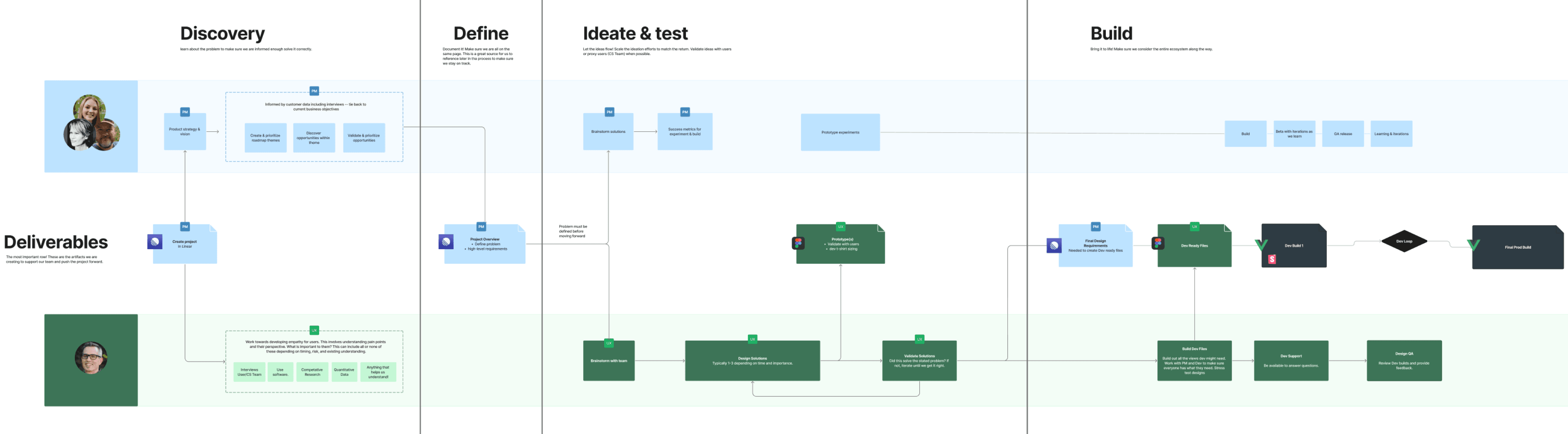
The PM had created a workflow chart for product management, but it didn't address design because there were no designers yet. As the first designer, I needed to clarify how design fit into that flow. I rebuilt the chart to make ownership explicit: what design delivered, what PMs delivered, and what was shared responsibility. But the real work was teaching. I met with PMs weekly, clarified how to partner with design instead of treating it as downstream, and built a relationship based on give and take. The document was the artifact. The teaching was the actual work. By the time I left, we'd scaled from zero designers to four, and the teams knew how to use them.
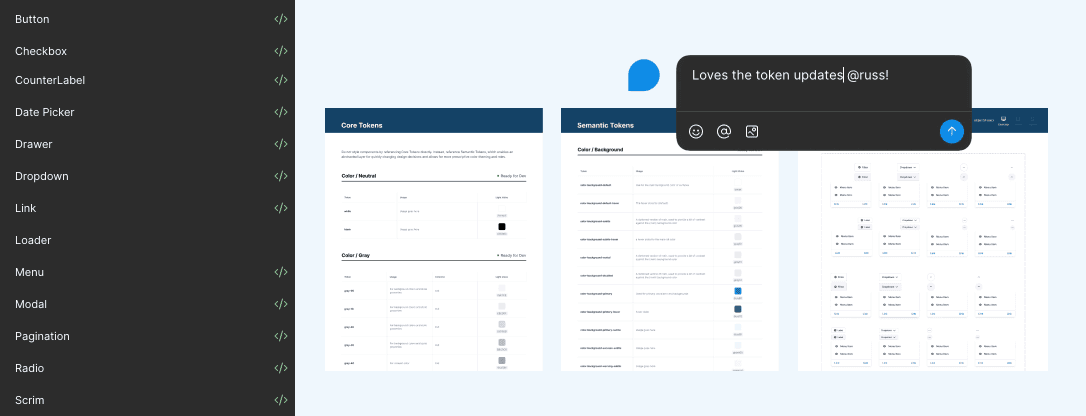
Before joining Spectora, there was only one page of brand documentation, and it contained significant production inconsistencies across colors, fonts, patterns, and interactions. I started by taking inventory of what existed and finding the least disruptive way to unify elements. That early work became the foundation for the design system. As we brought on more designers, the work accelerated. Within a year we had complex, well-built Figma components and parity with Storybook. What started as solo work turned into a full team effort. The payoff was real: consistency across the product, faster design and development cycles, and a clear foundation that made it easier to onboard new designers as we scaled. Shoutout to Russ, Ian, and Suely for making it a team effort.
Previous Client Portal
Admin side
3: Assembled team
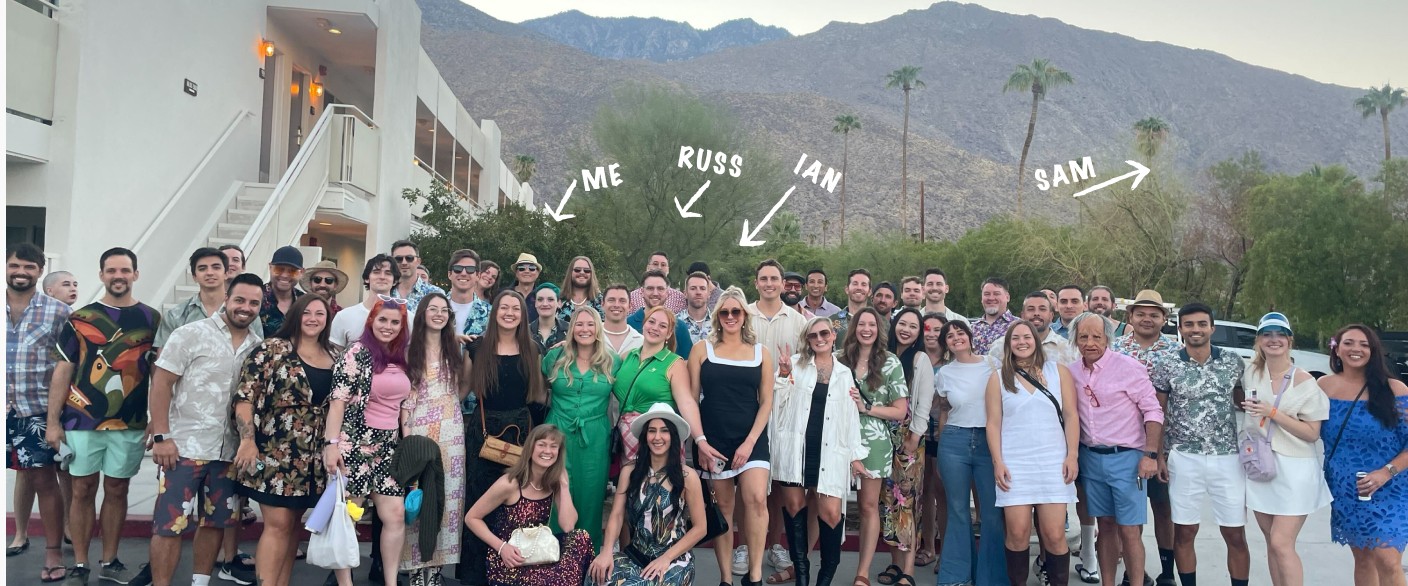
One of the highlights of my time at Spectora was hiring and growing a team of three talented designers. I built the team deliberately; with Spectora's long-term needs in mind and sought talented generalists with depth in either research or design systems. I hired carefully, weighing both skillset and cultural fit. What came out of that approach was a team that genuinely supported each other and cared about each other’s work. That created real psychological safety, which meant better conversations, more thoughtful critique, and ultimately stronger design thinking. The team actually enjoyed talking about design together. That doesn't happen by accident.
4: Future state vision
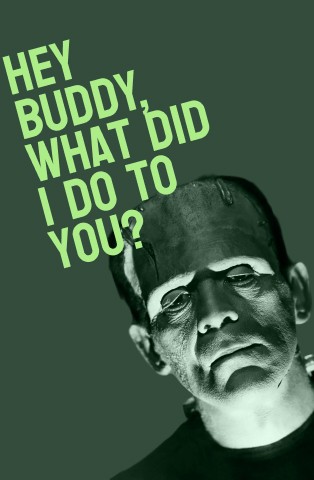
Kill Frank was my push to systematically address UX debt and modernize the platform before we scaled the design team. I got buy-in from leadership to allocate design resources to this work. The timing was critical: we were about to scale the design team, and I wanted to make sure they inherited a coherent foundation and a north star to work toward, not another round of tactical fixes.
Kill Frank Included:
Source of truth for colors, fonts, and basic patterns — Before this, there was chaos across the product. Afterwards, every designer and engineer knew exactly what to use.
UX standards and guidelines — Rather than each designer solving problems in isolation (i.e. Frankensteining), the guidelines created a framework for thinking systematically about patterns like icon usage, saving rules, progressive disclosure, and alerts. It was early stage work, but it shifted the team's mindset from one-off solutions to standardized thinking.
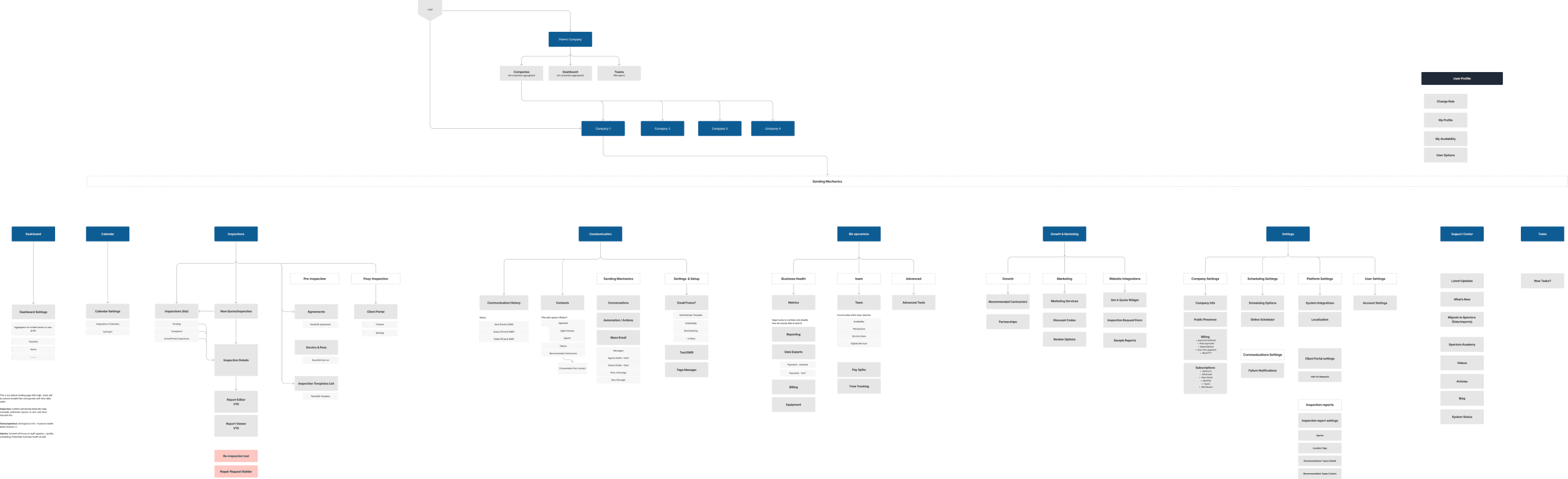
Site Architecture — Years of tacking on features had left Spectora disjointed. I created an updated sitemap to logically group items together. We validated this both internally and externally.
Site Scaffolding — I created a high level layout for all major sections of the desktop platform to find commonalities and prevent siloed design decisions. The design team used this as a starting point; not a final solution. Each designer was empowered to push beyond the first pass.
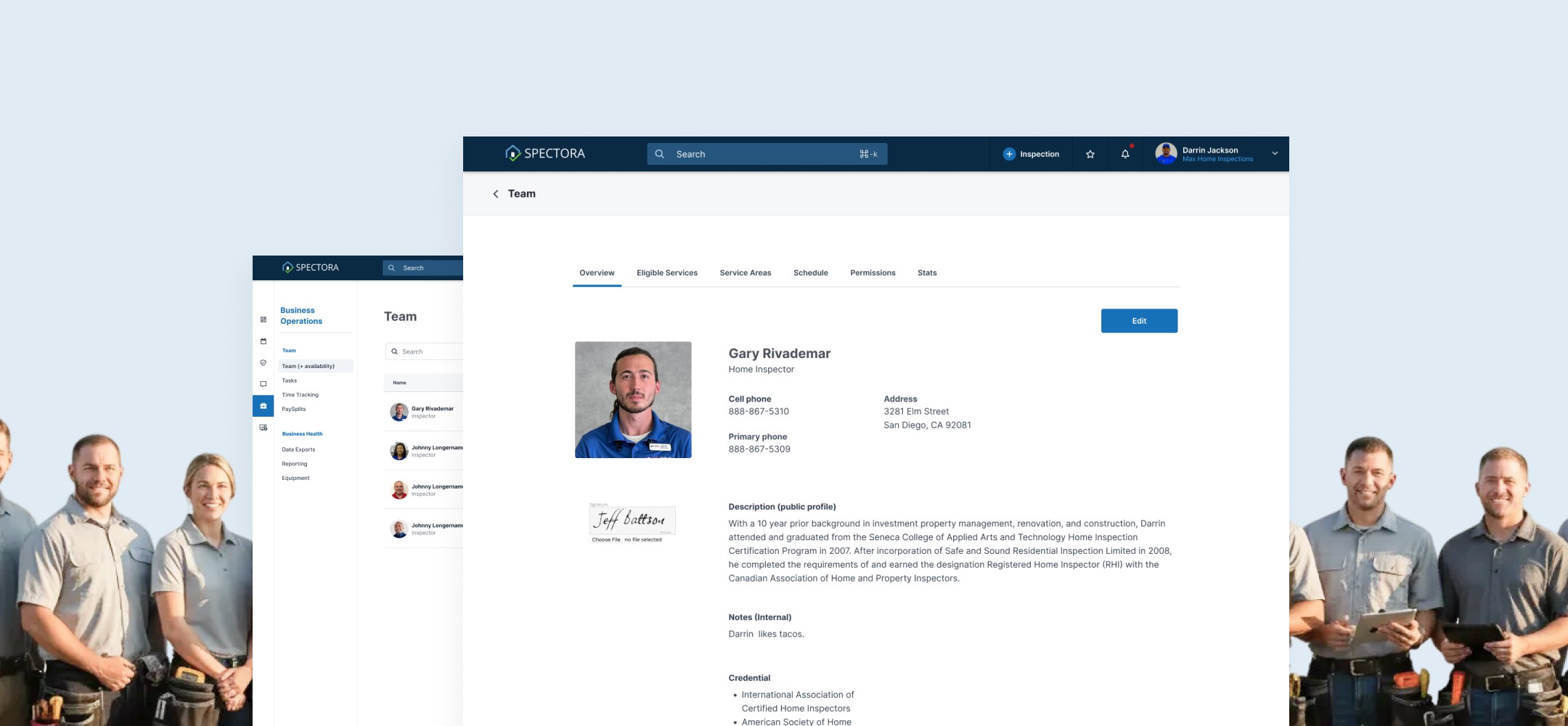
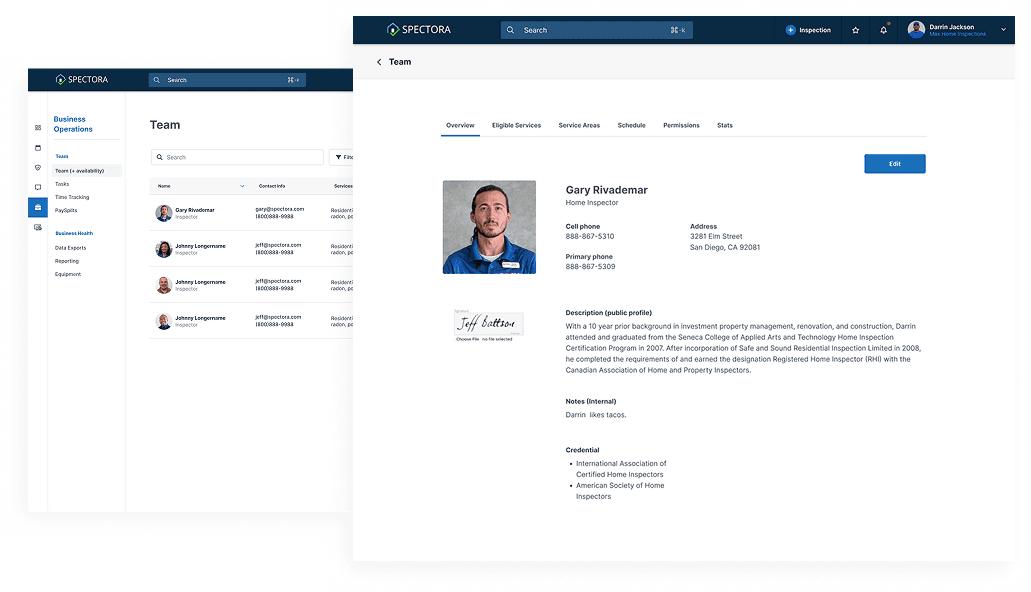
Key Flows — Used this opportunity to redesign a few key flows that could be greatly improved through design, including adding/updating a staff member, managing templates, and untangling company settings from personal settings.
5: IC Projects
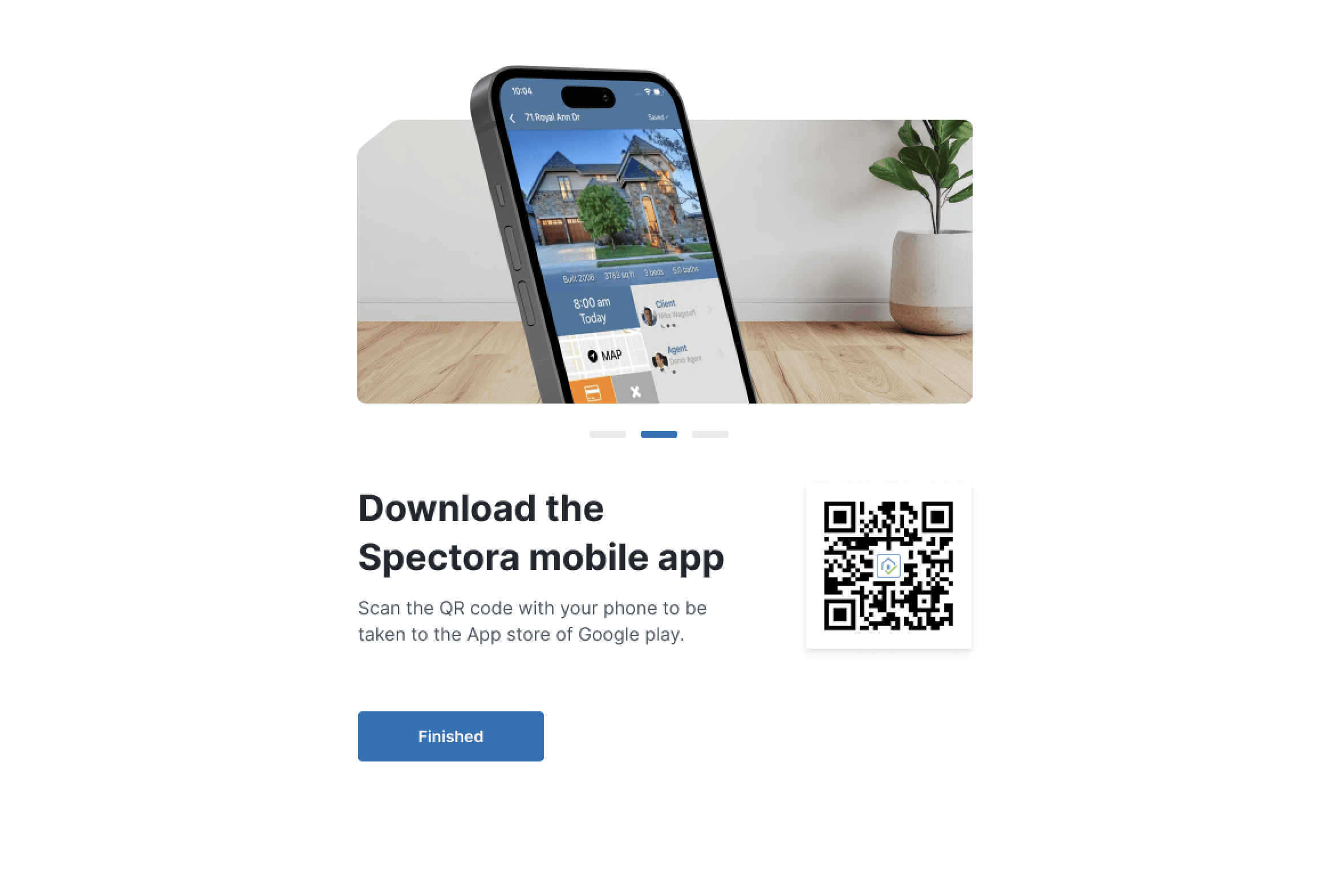
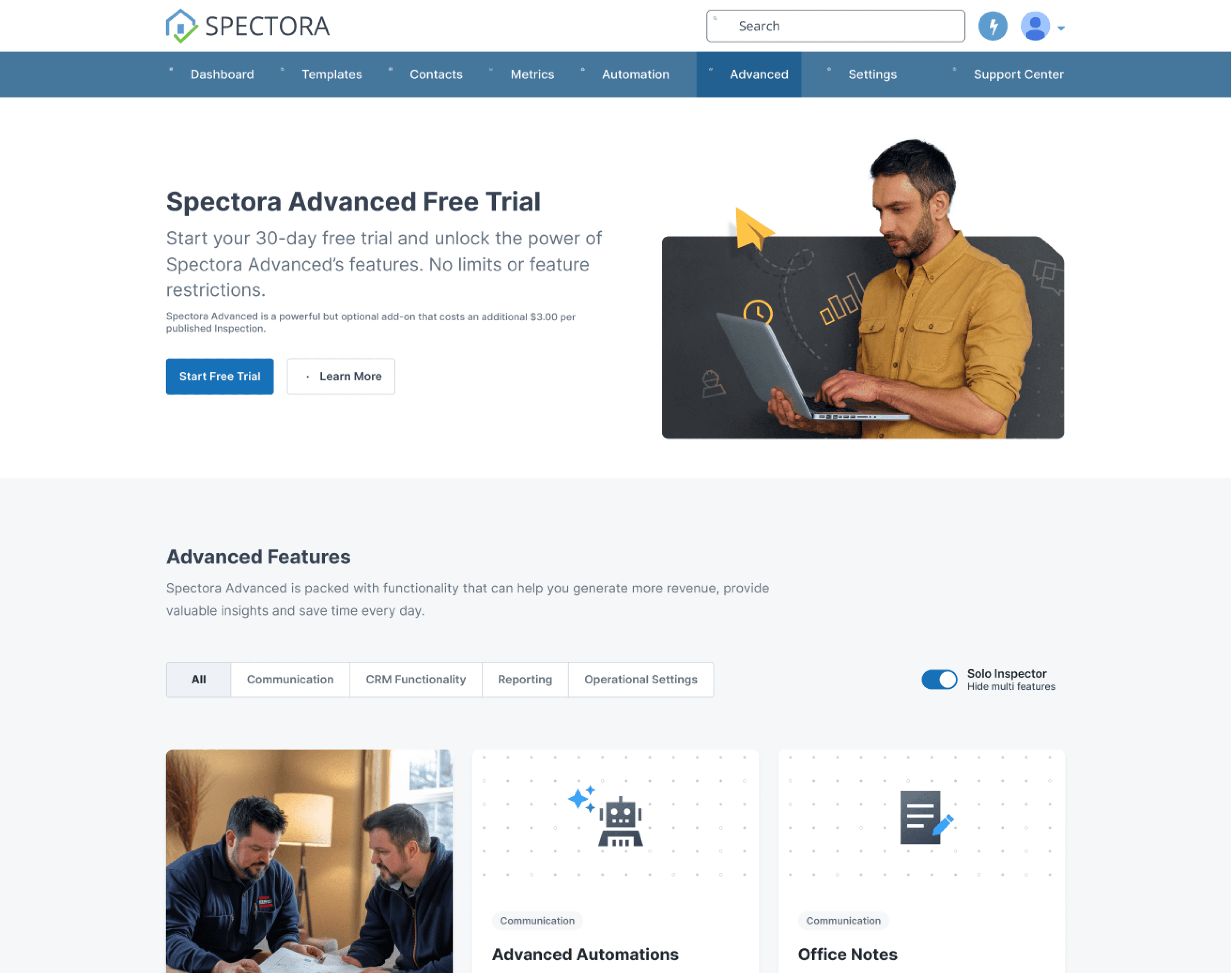
Alongside leadership and strategy work, I contributed directly to growth-focused projects. Here are a few examples of the product work I shipped during my time at Spectora.
Spectora Onboarding V1 & V2
Product Upsell & Education
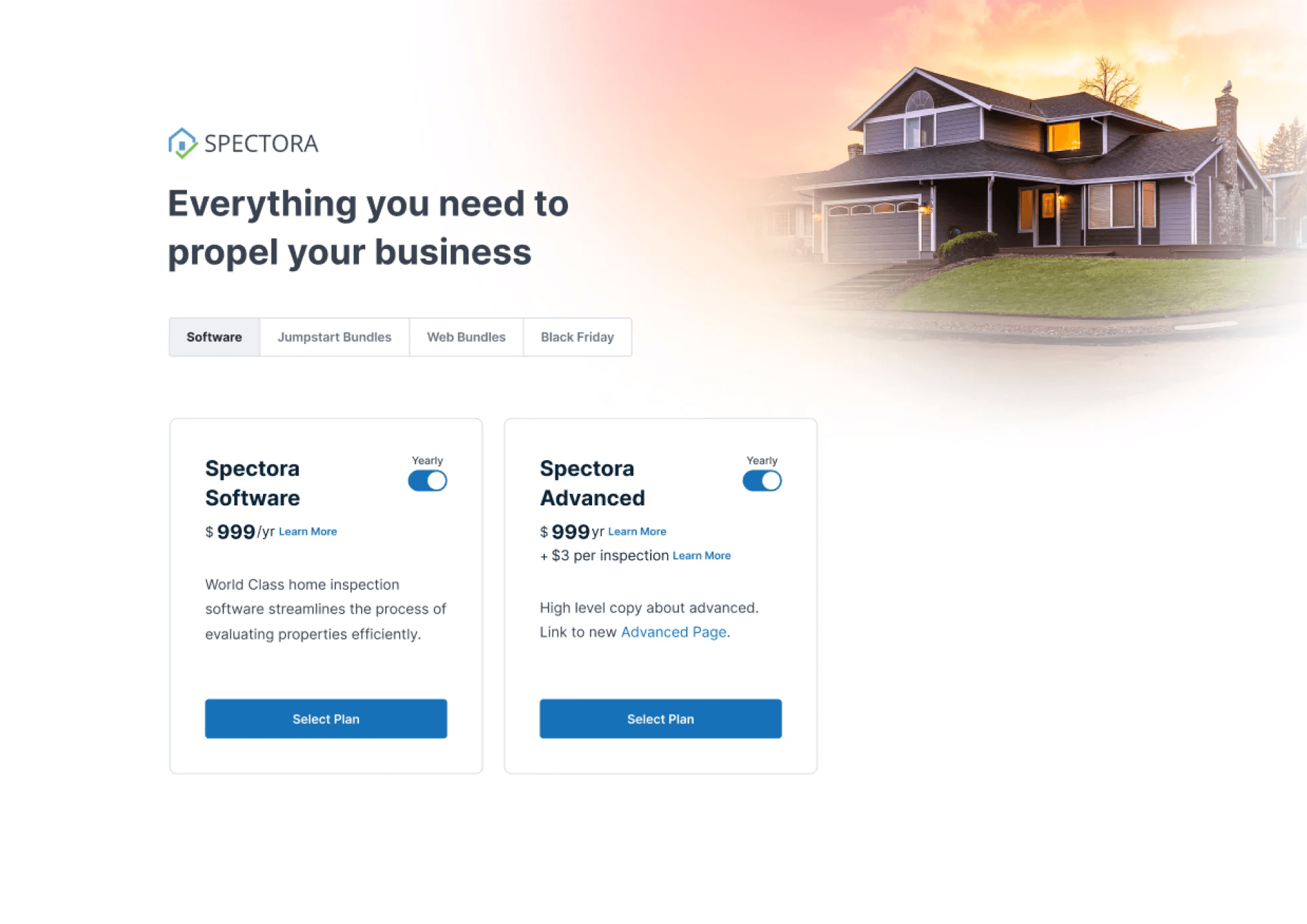
Pricing Pages Design Strategy